
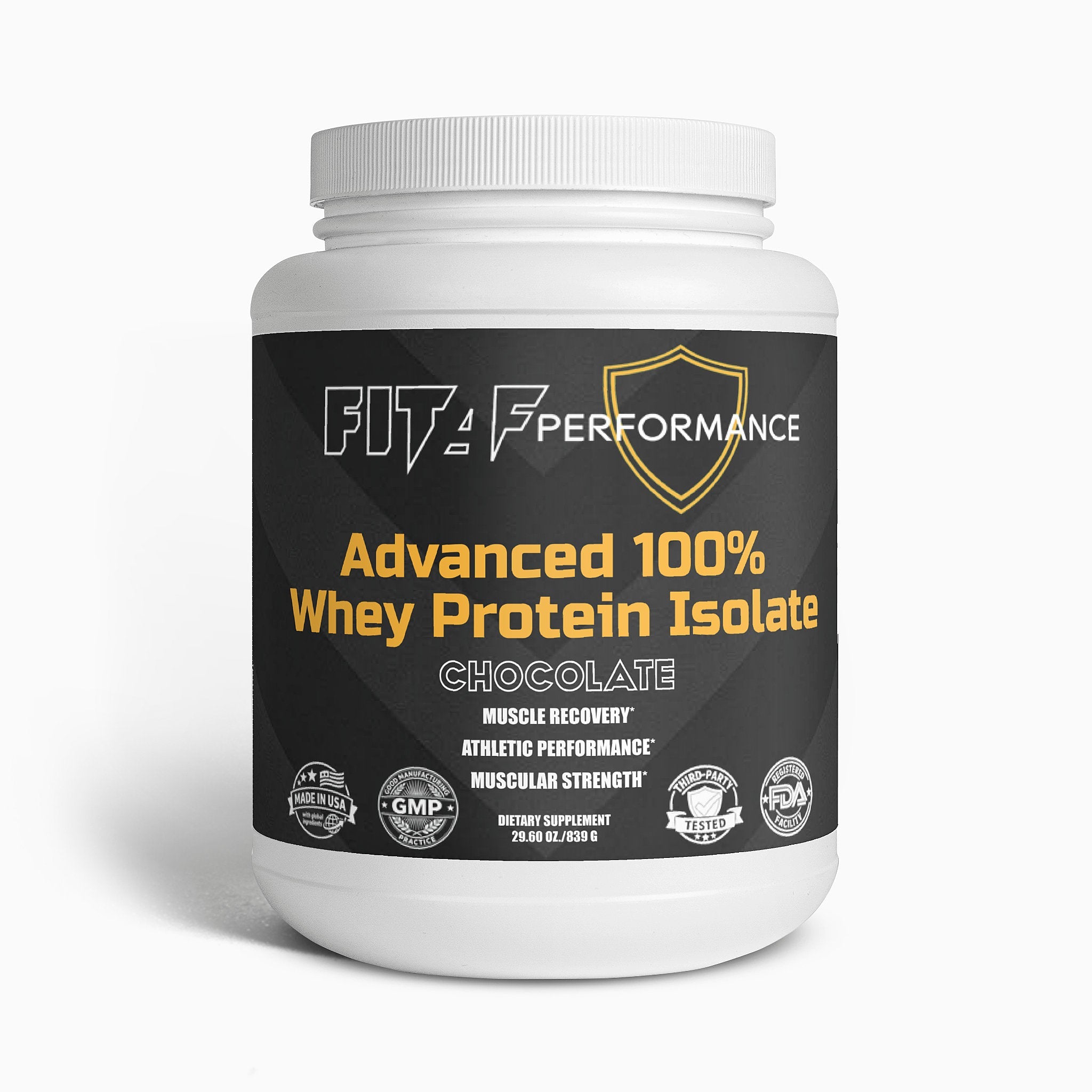
Protein is the macronutrient most directly linked to muscle protein synthesis. But with dozens of protein products on the market, understanding the difference between whey protein isolate and concentrate matters - both for performance and your wallet.
How Whey Is Made
Whey is a byproduct of cheese production. After the liquid whey is separated, it undergoes filtration to produce concentrate or further microfiltration/ion exchange to produce isolate.
Whey Protein Concentrate (WPC)
WPC typically contains 70 - 85% protein by weight. The remaining calories come from fat and lactose. For most people, this is perfectly adequate. However, individuals with lactose sensitivity may experience digestive discomfort, and the fat content means slightly fewer grams of protein per calorie.
Whey Protein Isolate (WPI)
WPI is filtered more extensively to produce a product that's >90% protein by weight, with minimal fat (<1g) and virtually no lactose. This makes it: faster absorbing, more digestible for lactose-sensitive individuals, higher in leucine per gram, and more calorie-efficient for those tracking macros precisely.
Which Is Better for Muscle Growth?
Both forms support muscle protein synthesis effectively when consumed in adequate amounts. The leucine content of WPI (~10-11% per gram) is marginally higher than WPC (~9-10%). Leucine is the key amino acid that triggers mTOR activation - the anabolic signalling pathway. In practice, this difference is small if you're hitting your daily protein targets.
Who Should Use Isolate?
WPI makes the most sense for: people with lactose intolerance, anyone doing strict macro tracking, post-workout when fast absorption matters most, and anyone who experiences GI issues with concentrate.
Quality Markers to Look For
Regardless of form: look for third-party testing (NSF, Informed Sport), no proprietary blends hiding actual protein amounts, low sugar content, and minimal artificial additives. A product listing 'protein blend' on the label is a red flag - it may include cheaper protein sources like soy or collagen to inflate the protein content per serving.