
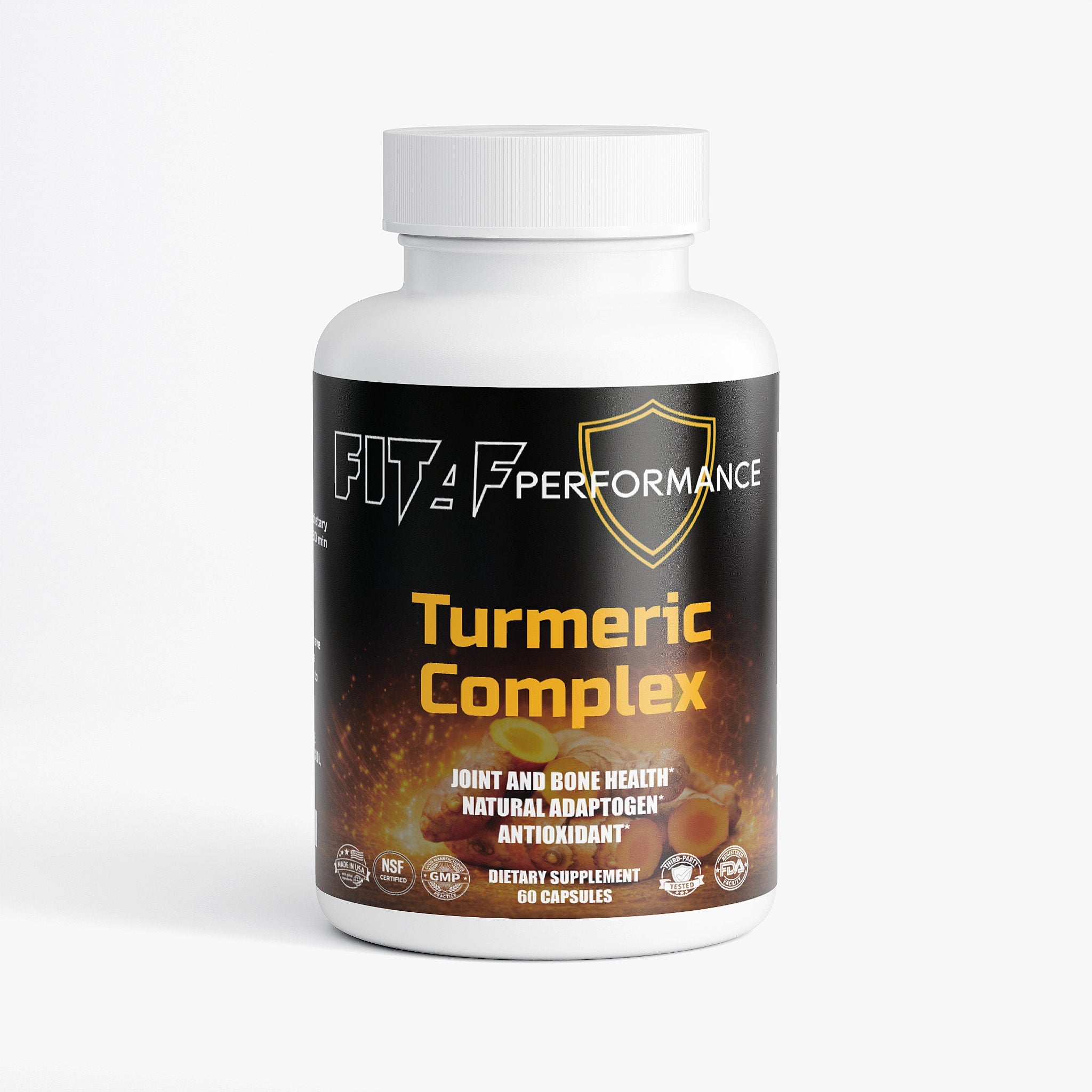
Turmeric (Curcuma longa) has been used medicinally in Ayurvedic and Chinese medicine for over 4,000 years. Its active polyphenol compound, curcumin, has been the subject of over 3,000 peer-reviewed publications studying its anti-inflammatory, antioxidant, and therapeutic properties. The challenge: curcumin has notoriously poor natural bioavailability - a problem that modern formulations have largely solved.
The Bioavailability Problem
Plain curcumin powder has approximately 1% bioavailability. It's rapidly metabolised and glucuronidated in the gut and liver before it can reach systemic circulation. This is why traditional turmeric consumption in food - despite its health associations - may not provide meaningful anti-inflammatory doses.
Piperine: The Standard Solution
Combining curcumin with piperine (black pepper extract) at a 20:1 ratio increases bioavailability by up to 2,000%, according to a 1998 study in Planta Medica. Piperine inhibits CYP3A4 and glucuronidation enzymes in the gut, slowing curcumin metabolism and allowing greater absorption. This formulation (standardised to 95% curcuminoids + piperine) is the most widely used in clinical research.
Advanced Formulations
Newer formulations include: phytosome complexes (curcumin bound to phosphatidylcholine - Meriva), nanoparticle formulations, and lipid-based delivery systems. Some studies show these achieve 20 - 30x higher bioavailability than standard curcumin, though the clinical significance depends on the condition being treated.
Anti-Inflammatory Evidence
Curcumin inhibits NF-κB, COX-2 (the same enzyme targeted by ibuprofen), and multiple cytokines including TNF-α, IL-1β, and IL-6. A 2014 RCT in the Phytotherapy Research found curcumin was as effective as ibuprofen in reducing knee osteoarthritis pain and improving function, with significantly fewer GI side effects.
Joint Health Applications
For athletes with chronic joint inflammation, high-bioavailability curcumin (500 - 1000mg curcuminoids with piperine, 2 - 3x daily) may reduce reliance on NSAIDs for pain management while addressing underlying inflammation rather than just symptoms.