
Women over 40 face specific physiological transitions that create distinct nutritional needs. Perimenopause typically begins in the mid-40s, with declining oestrogen accelerating bone density loss, changing body composition, affecting sleep quality, and increasing cardiovascular risk. Evidence-based supplementation addresses each of these changes directly.
Bone Density: The Priority Concern
Oestrogen is the primary regulator of bone remodelling. As oestrogen declines, bone resorption exceeds formation - accelerating the development of osteopenia and osteoporosis. Vitamin D3 + K2: Vitamin D3 (2000 - 4000 IU daily) enhances calcium absorption; K2 (MK-7, 100 - 200mcg) directs calcium to bone rather than arteries. Together they're the most important bone-protective supplement combination. Magnesium: essential cofactor for bone mineralisation, often overlooked. Collagen peptides: provide the organic matrix component of bone (collagen makes up 30% of bone by dry weight). A 2018 RCT found specific collagen peptides increased bone mineral density in postmenopausal women.
Collagen and Skin Health
Skin collagen content drops approximately 30% in the first 5 years after menopause, then continues declining at ~2% per year. Hydrolysed collagen supplementation (10g daily) has consistent evidence for improving skin elasticity, hydration, and reducing wrinkle depth. This is the best-studied cosmetic supplement with the strongest clinical evidence.
Sleep and Mood
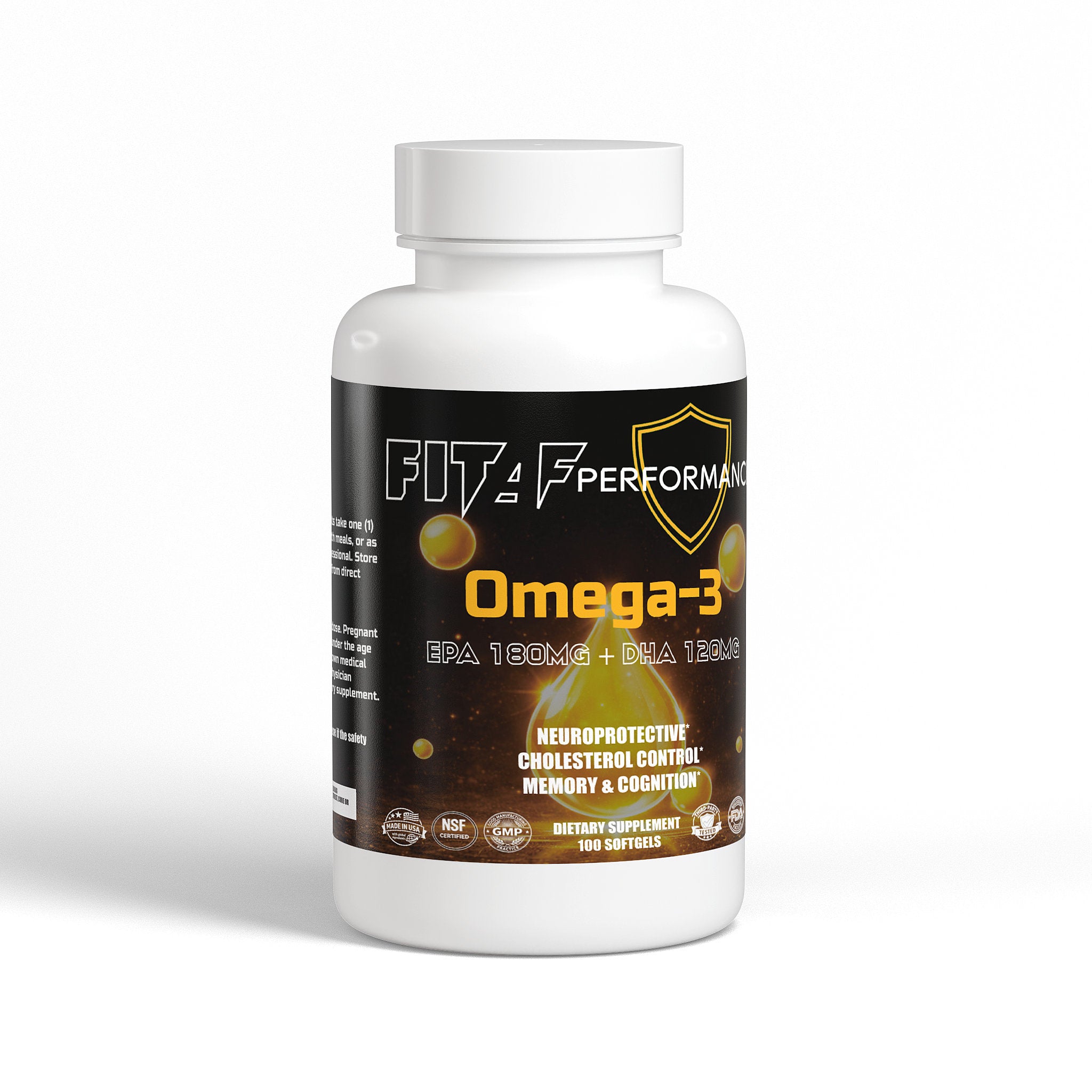
Perimenopause significantly disrupts sleep through night sweats and hormonal fluctuations affecting GABAergic tone. Magnesium glycinate addresses GABA pathway support and cortisol regulation. Low-dose melatonin (0.5 - 1mg) supports circadian integrity. Omega-3 (particularly EPA) has consistent evidence for mood and depression, particularly relevant during hormonal transitions.
Cardiovascular Protection
Post-menopausal women's cardiovascular risk approaches that of men of the same age. Omega-3 (2g EPA+DHA), CoQ10 (100 - 200mg), and Berberine for metabolic health provide the core cardiovascular protective stack.