
Weight management supplements are perhaps the most aggressively marketed and most frequently disappointing category in the supplement industry. This guide takes a sceptical, evidence-based approach: identifying what has genuine evidence, what is plausible but unproven, and what to avoid entirely.
What Actually Has Evidence
1. Protein Supplementation (strong evidence)
The most effective "weight management supplement" is adequate protein. High protein intake (1.6 - 2.4g/kg bodyweight) increases satiety, reduces ad libitum caloric intake, preserves lean muscle mass during a caloric deficit, and increases the thermic effect of food. Whey protein isolate provides the highest satiety per calorie of available protein sources, with leucine content specifically linked to appetite regulation through GLP-1 and PYY release.
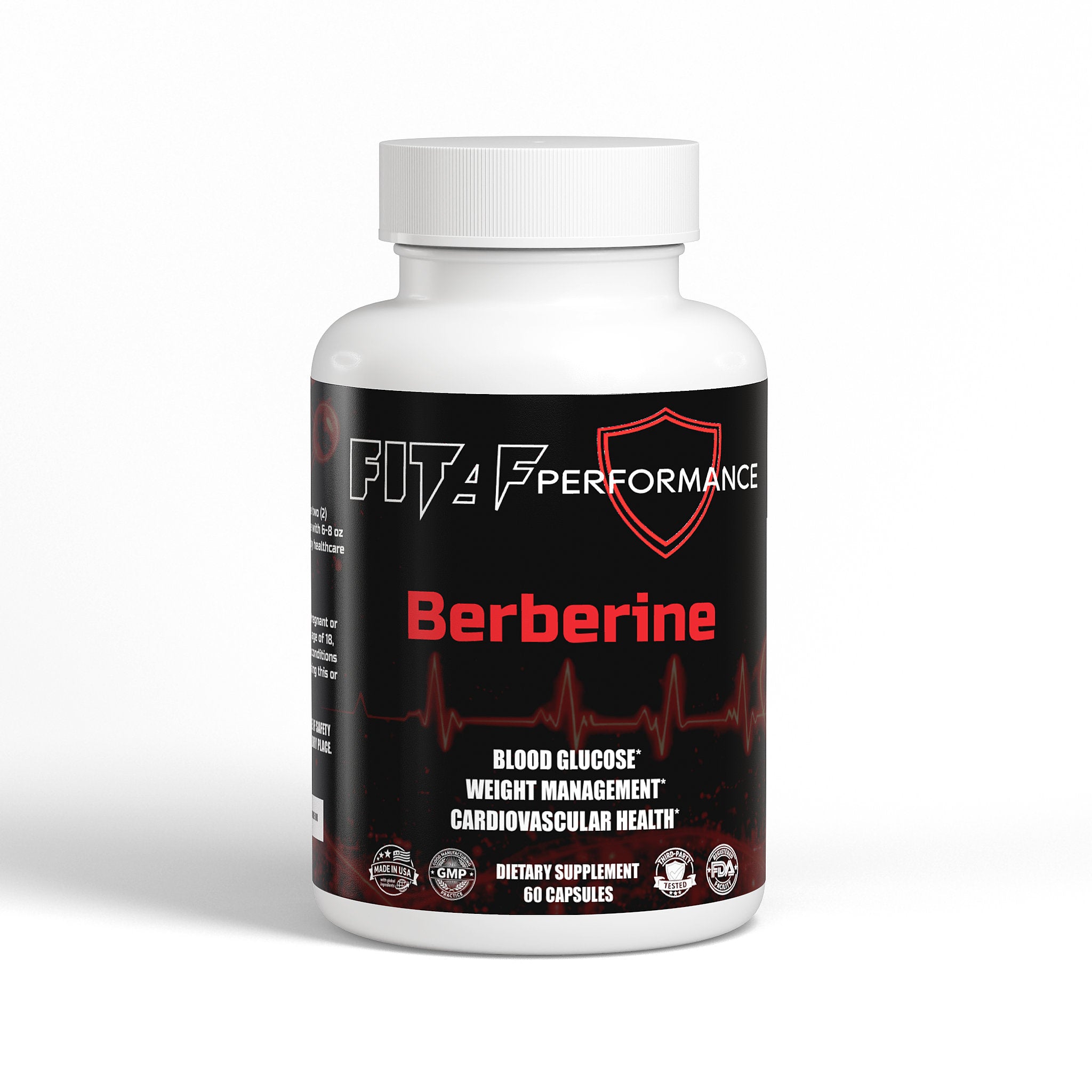
2. Berberine (moderate-strong evidence)
Berberine's AMPK activation, glucose uptake stimulation, and anti-adipogenic effects have been confirmed in multiple RCTs. A 2012 trial found meaningful reductions in body weight and waist circumference over 12 weeks compared to placebo, with no dietary restriction required. Effects are most pronounced in individuals with insulin resistance or metabolic syndrome.
3. Caffeine (moderate evidence)
Caffeine increases resting metabolic rate by 3 - 11% acutely and suppresses appetite short-term. However, tolerance develops rapidly with chronic use, blunting these effects. Caffeine is most effective as a performance enhancer that allows higher-quality training - the exercise itself drives the energy deficit.
What to Avoid
Thermogenic "fat burners": most are just high-dose caffeine with herbs that have no meaningful human evidence (garcinia cambogia, CLA at typical doses, raspberry ketones, L-carnitine in non-deficient individuals). Weight loss detox teas: laxative effect creates temporary water weight loss, not fat loss. Meal replacement programmes that create unsustainable restriction without addressing behaviour.
The Honest Framework
Sustainable weight management requires a caloric deficit, adequate protein, resistance training to preserve muscle, and adequate sleep (which regulates ghrelin and leptin - the primary hunger hormones). Supplements support this framework; they don't replace it.