
Sleep is the most powerful recovery tool available - entirely free, with no side effects, and more impactful than any supplement on the market. Yet it's consistently under-prioritised. This guide builds a comprehensive sleep optimization protocol combining evidence-based supplementation with the behavioural foundations that make supplementation most effective.
Why Sleep Is the Foundation of Performance
During deep slow-wave sleep: growth hormone is secreted (primary anabolic stimulus), muscle protein synthesis peaks, glycogen is replenished, neural pathways from training are consolidated, and immune function is restored. A single night of sleep reduced to 4 - 5 hours reduces strength by 10 - 12%, reaction time by 30%, and cognitive performance by an equivalent of moderate alcohol intoxication.
The Behavioural Foundations First
No supplement overcomes poor sleep hygiene. Non-negotiables: consistent sleep/wake times (circadian entrainment), dark room (blackout curtains), cool temperature (18 - 20°C / 64 - 68°F), no screens 60+ minutes before bed, no caffeine after 1pm (caffeine half-life is 5 - 7 hours), and limiting alcohol (alcohol disrupts REM and slow-wave sleep architecture despite inducing drowsiness).
The Supplement Protocol
Magnesium glycinate (200 - 400mg, 45 - 60 min before bed): The most impactful sleep supplement with the most consistent evidence. Activates GABA receptors, suppresses evening cortisol, reduces neuromuscular excitability, and supports sleep architecture. The glycinate form is best tolerated and most bioavailable.
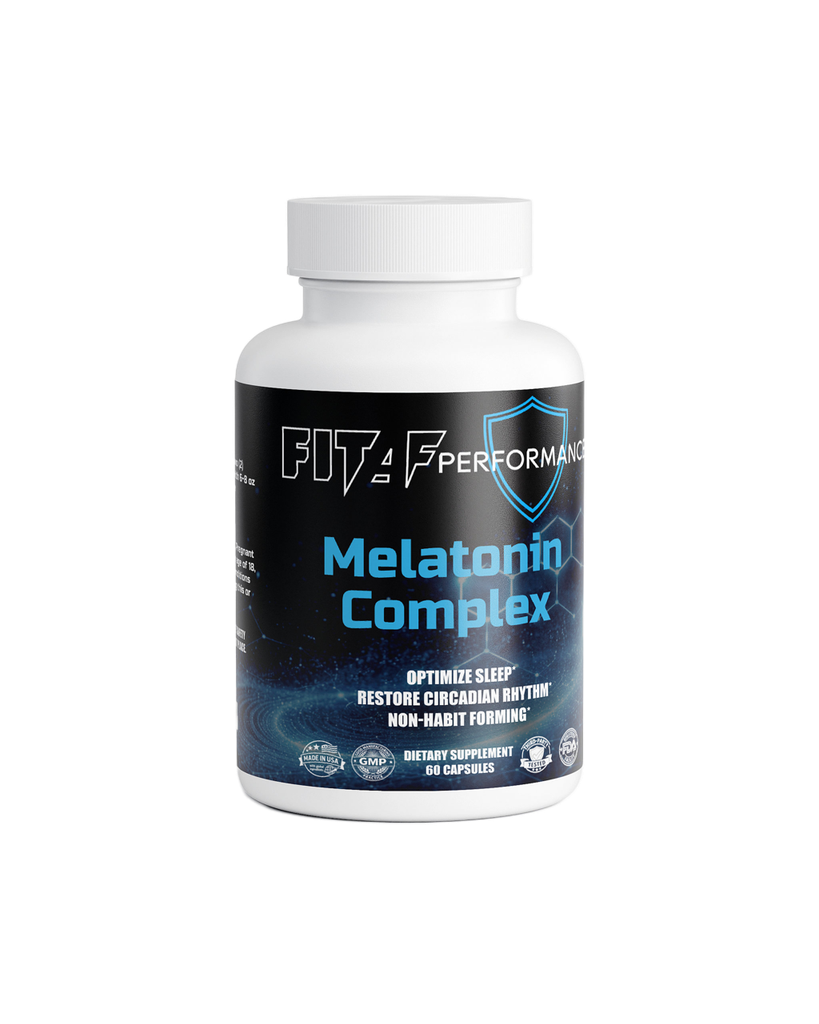
Low-dose melatonin (0.5 - 1mg, 60 - 90 min before desired sleep time): Acts as a circadian signal - telling the brain it's night - rather than as a sedative. Most commercial products are grossly overdosed (5 - 10mg); research shows 0.3 - 1mg is as effective with far fewer next-day effects. Particularly valuable for shift workers, travellers, and anyone with delayed sleep phase.
L-Glycine (3g before bed): Glycine is an inhibitory neurotransmitter that reduces core body temperature - a critical sleep-onset trigger - and has shown improvements in sleep quality, daytime alertness, and fatigue in RCTs. It's also the primary amino acid in magnesium glycinate, contributing to that form's superior sleep benefits.
For Athletes: Tracking Recovery Quality
Heart rate variability (HRV) measured on waking provides the most objective indicator of recovery quality and readiness to train. Consistently low HRV despite adequate sleep time suggests poor sleep architecture - address with the protocol above before adding training load.