
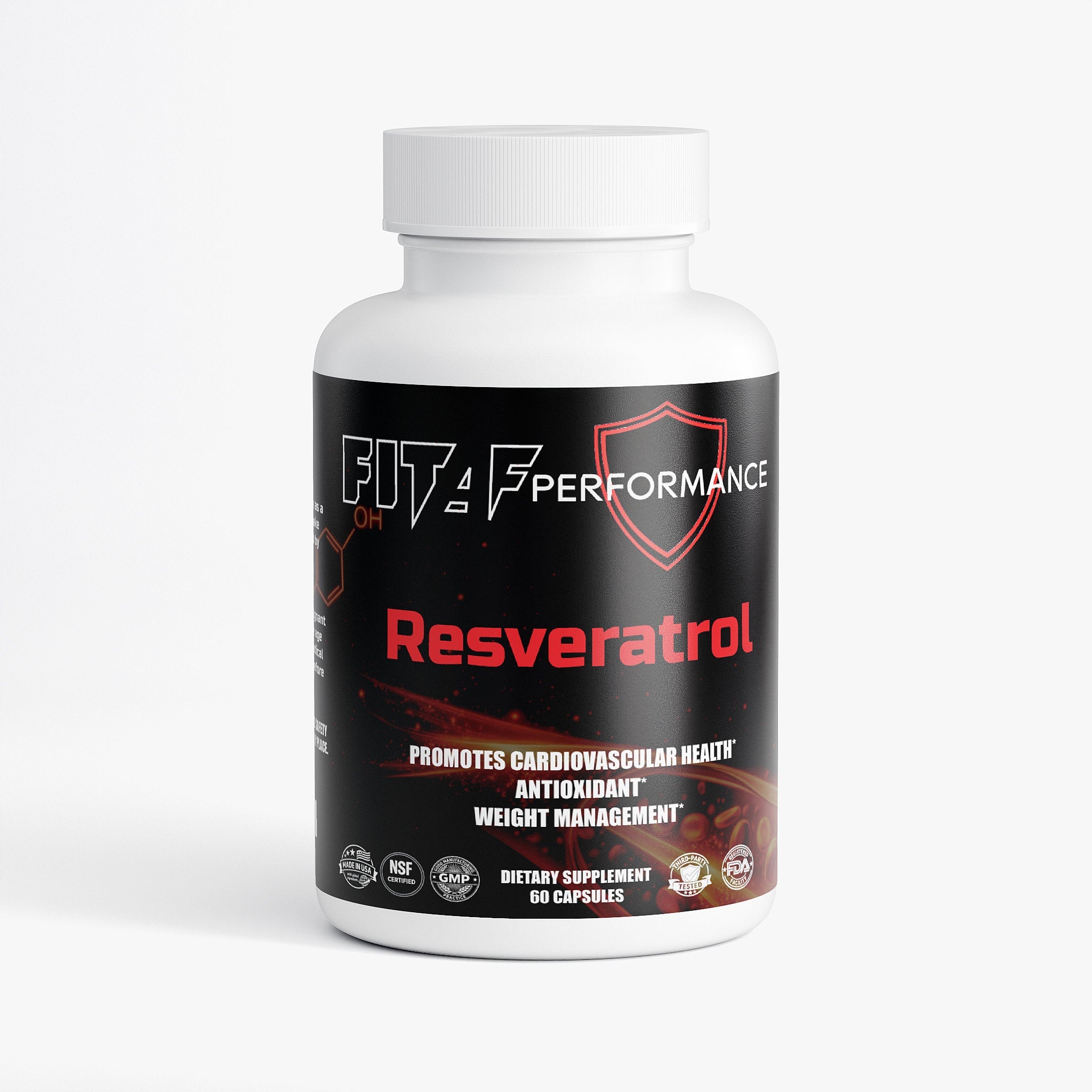
Resveratrol is a polyphenol found in red wine, grapes, blueberries, and peanuts. It gained scientific prominence in the early 2000s when David Sinclair's lab at Harvard demonstrated it could activate sirtuins - a family of proteins associated with longevity - and extend lifespan in yeast, worms, and mice. The human evidence is more nuanced, but compelling.
Sirtuins and the Longevity Pathway
Sirtuins (SIRT1 - SIRT7) are NAD+-dependent deacetylases that regulate gene expression in response to metabolic stress. SIRT1, activated by resveratrol, modulates pathways involved in inflammation, mitochondrial biogenesis, fat metabolism, and cellular stress resistance. The overlap with caloric restriction pathways is significant - resveratrol appears to mimic some of the molecular effects of calorie restriction without the calorie restriction itself.
Cardiovascular Effects
Multiple human trials show resveratrol improves endothelial function (blood vessel flexibility), reduces LDL oxidation, and lowers inflammatory markers like CRP and IL-6. A 2016 meta-analysis in Nutrients found significant reductions in systolic blood pressure and total cholesterol with resveratrol supplementation across 21 RCTs.
Anti-Inflammatory Mechanisms
Resveratrol inhibits NF-κB - a master transcription factor that controls the expression of over 200 genes involved in inflammation. It also upregulates Nrf2, which activates the body's endogenous antioxidant defense systems. This dual action makes it a potent systemic anti-inflammatory.
Bioavailability Challenge
Resveratrol's main limitation is poor bioavailability - it's rapidly metabolised and has low oral bioavailability in free form. Trans-resveratrol (the active isomer) combined with piperine (black pepper extract) or in micronised form significantly improves absorption. Doses of 150 - 500mg/day of highly bioavailable trans-resveratrol are typical in clinical trials showing benefits.
Combined with Berberine
Resveratrol and berberine have complementary mechanisms - both activate SIRT1 and AMPK, respectively, and appear to have additive effects on metabolic health when combined. This combination is increasingly popular in longevity-focused supplement stacks.