
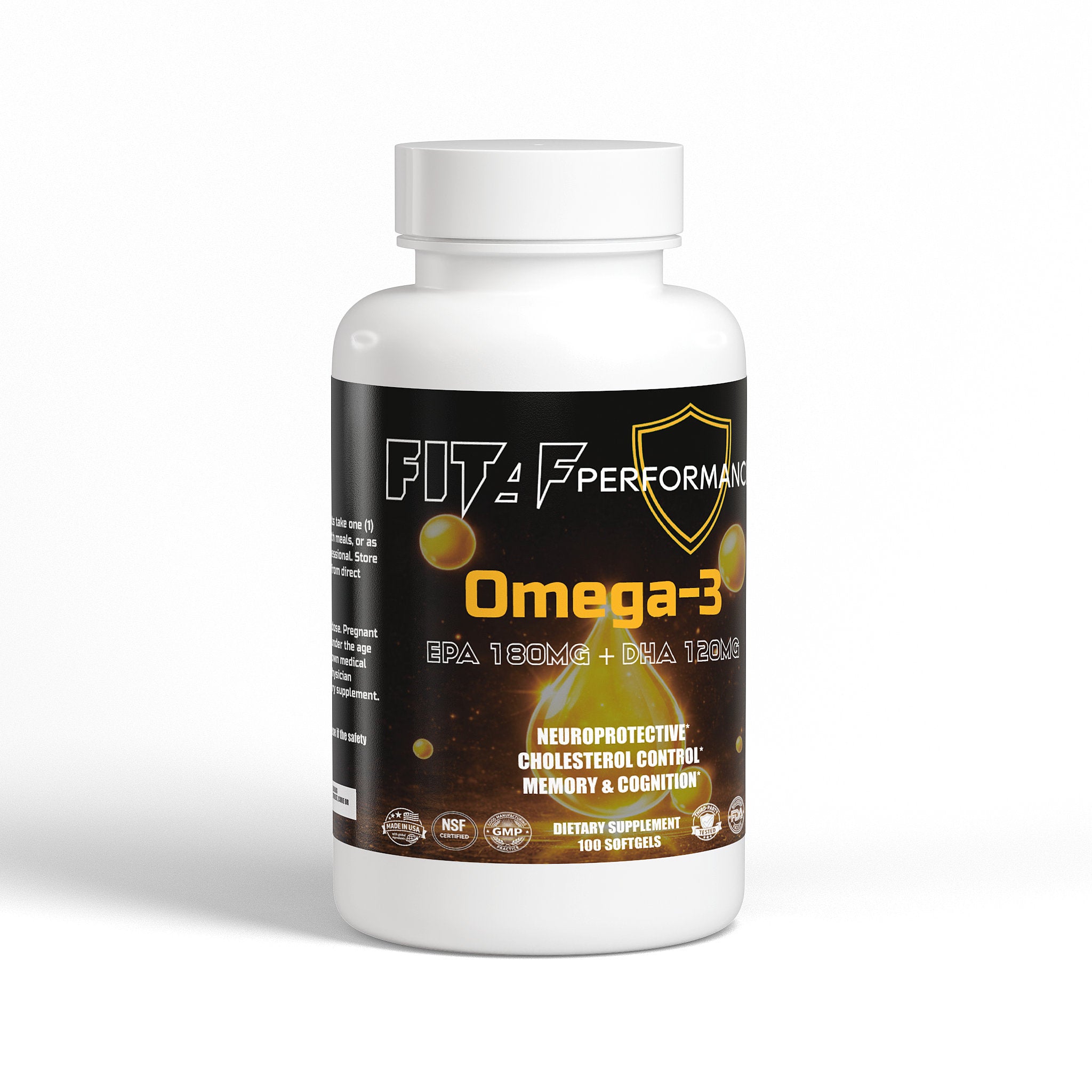
Omega-3 fatty acids are among the most researched nutrients in human health. EPA (eicosapentaenoic acid) and DHA (docosahexaenoic acid) - the two marine omega-3s - have documented benefits for cardiovascular health, brain function, inflammation control, and athletic performance. Yet most people consume far too little.
EPA vs DHA: Different Roles
EPA is primarily anti-inflammatory. It competes with arachidonic acid (an omega-6 fatty acid) for the same enzymes, reducing the production of pro-inflammatory eicosanoids. EPA appears most relevant for mood, cardiovascular markers, and systemic inflammation.
DHA is primarily structural. It makes up approximately 40% of the fatty acids in brain grey matter and is critical for membrane fluidity, synaptic transmission, and visual function. DHA is particularly important during pregnancy, infancy, and ageing.
Most high-quality fish oil supplements provide both. A ratio of roughly 2:1 EPA:DHA is common in research showing cardiovascular and anti-inflammatory benefits.
Cardiovascular Evidence
A 2019 landmark trial - the REDUCE-IT trial published in the New England Journal of Medicine - found that high-dose EPA (4g/day icosapentaenoic acid) reduced major cardiovascular events by 25% in people with elevated triglycerides. Multiple meta-analyses confirm that omega-3 supplementation consistently lowers triglycerides by 15 - 30%.
Omega-3 for Athletes
Research increasingly shows that omega-3s have direct performance applications. A 2011 study in the Clinical Science found DHA supplementation reduced muscle soreness and protected against eccentric exercise-induced muscle damage. A 2014 study in the American Journal of Clinical Nutrition showed EPA and DHA enhanced muscle protein synthesis rates in older adults, particularly important for those who need to maintain lean mass.
Brain & Mood
DHA is the dominant structural fat in the brain. Low omega-3 intake is associated with depression, cognitive decline, and ADHD symptoms. Meta-analyses on EPA for depression show effect sizes comparable to antidepressant medication in mild-to-moderate cases.
Quality and Dosing
Rancidity is the key quality concern with fish oil. Oxidised omega-3s not only lose efficacy but may be harmful. Signs of rancid fish oil include strong fishy odour and "fishy burps." High-quality fish oils are molecularly distilled and tested for peroxide values, heavy metals, and PCBs.
General health: 1 - 2g combined EPA+DHA daily. Anti-inflammatory/athletic purposes: 2 - 4g combined EPA+DHA daily. Take with food to improve absorption and minimise GI discomfort.