
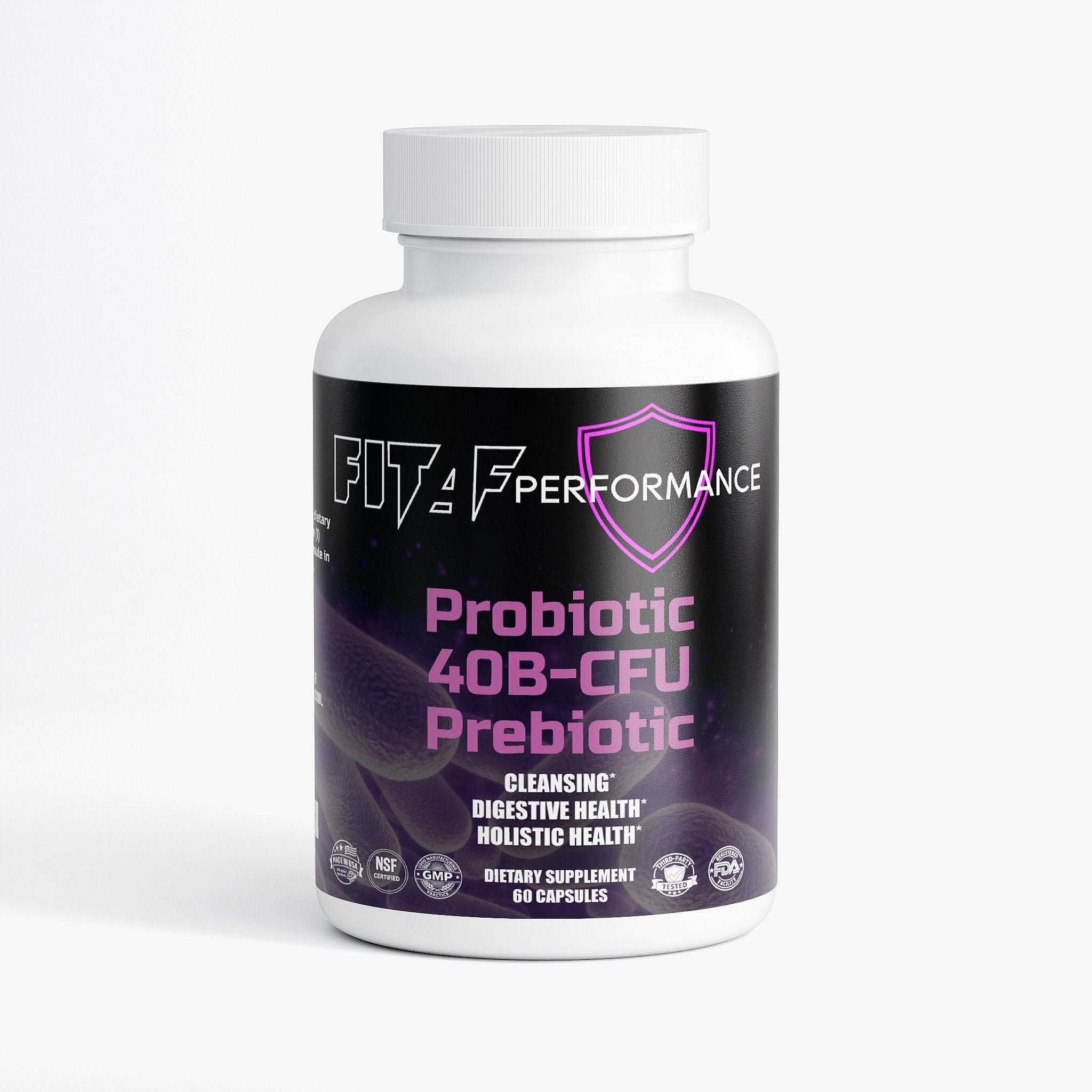
The supplement industry is one of the least regulated consumer product categories. Unlike pharmaceuticals, supplements don't require pre-market approval, and manufacturers are largely responsible for self-policing. This creates a serious problem: contamination and mislabelling are far more common than most consumers realise - with potentially serious consequences for competitive athletes and health-conscious consumers alike.
The Scale of the Problem
A 2015 study published in the International Journal of Sport Nutrition and Exercise Metabolism tested 58 commercially available supplement products and found 13% contained prohibited substances not listed on the label. A 2016 WADA analysis found similar contamination rates. These are not fringe products - many were mainstream brands from major retailers. The contaminating substances included anabolic steroids, stimulants, diuretics, and masking agents.
What NSF Certification Actually Involves
NSF International's "Certified for Sport" programme is the gold standard for supplement certification. It involves: Label accuracy verification - every ingredient listed is present at the stated quantity. Contaminant testing - over 270 substances on the World Anti-Doping Agency (WADA) prohibited list are tested, along with heavy metals and common adulterants. Facility audit - manufacturing facility is inspected for GMP (Good Manufacturing Practice) compliance. Ongoing testing - certified products are tested quarterly, not just once at initial approval.
Why This Matters Beyond Competitive Sport
Even for recreational athletes and health-focused consumers, supplement quality matters. Anabolic steroids in "natural" supplements cause endocrine disruption. Heavy metal contamination from poor raw material sourcing is a genuine health concern. Inconsistent dosing from poor manufacturing means you're not getting what the label promises - undermining the entire point of supplementation.
GMP vs NSF Certified
Many products claim to be "manufactured in GMP-certified facilities" - this means the facility follows basic good manufacturing practices, but says nothing about whether the specific product has been independently tested. NSF Certified for Sport goes much further - it certifies the specific product, not just the facility.