
Mitochondria are the energy-producing organelles in every cell - often called the "powerhouses of the cell." Mitochondrial dysfunction is increasingly recognised as a central mechanism in ageing, chronic fatigue, neurodegenerative disease, metabolic syndrome, and cardiovascular disease. Supporting mitochondrial health is one of the most mechanistically sound interventions in longevity medicine.
How Mitochondria Decline with Age
Mitochondrial DNA is particularly vulnerable to oxidative damage because it lacks the protective histone proteins that protect nuclear DNA. Cumulative mitochondrial DNA damage, combined with declining NAD+ levels, impaired mitophagy (clearance of dysfunctional mitochondria), and reduced mitochondrial biogenesis, results in the progressive decline in cellular energy production that characterises biological ageing.
CoQ10 Ubiquinone
CoQ10 is a critical electron carrier in the mitochondrial electron transport chain (ETC), specifically at complexes I, II, and III. Without adequate CoQ10, the ETC cannot efficiently transfer electrons to generate the proton gradient used to synthesise ATP. CoQ10 also functions as a lipid-soluble antioxidant within the mitochondrial membrane, protecting against oxidative damage at the site where reactive oxygen species are generated.
CoQ10 levels decline approximately 25 - 40% between age 20 and 60. Supplementation restores levels and is the most direct intervention for mitochondrial energy support available.
Resveratrol and Mitochondrial Biogenesis
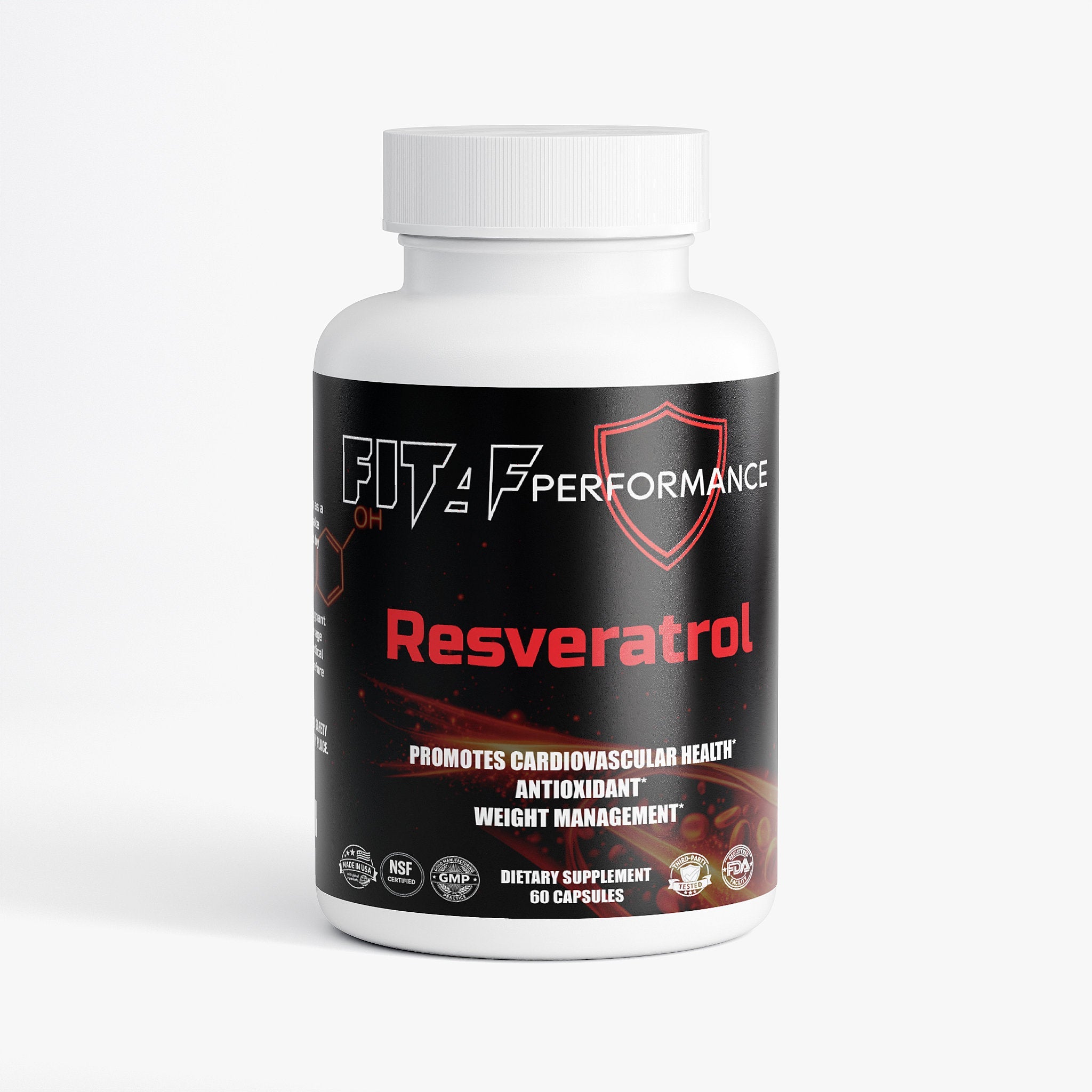
Resveratrol activates SIRT1, which in turn activates PGC-1α - the "master regulator" of mitochondrial biogenesis. PGC-1α activation stimulates the creation of new mitochondria and enhances the function of existing ones. This is one of the mechanisms by which resveratrol mimics some effects of caloric restriction - caloric restriction is the most reliable intervention for promoting mitochondrial biogenesis.
NAD+ Precursors
NAD+ (nicotinamide adenine dinucleotide) is required for both mitochondrial energy production and sirtuin activity. NAD+ levels decline significantly with age. Precursors like NMN (nicotinamide mononucleotide) and NR (nicotinamide riboside) have shown promise in early human trials for improving cellular NAD+ levels, though long-term clinical data is still emerging.
The Mitochondrial Support Stack
CoQ10 (200 - 300mg daily) + resveratrol (250 - 500mg, high-bioavailability) + consistent aerobic exercise (the most potent stimulus for mitochondrial biogenesis) + minimising mitochondrial stressors (excessive alcohol, smoking, chronic sleep deprivation).