
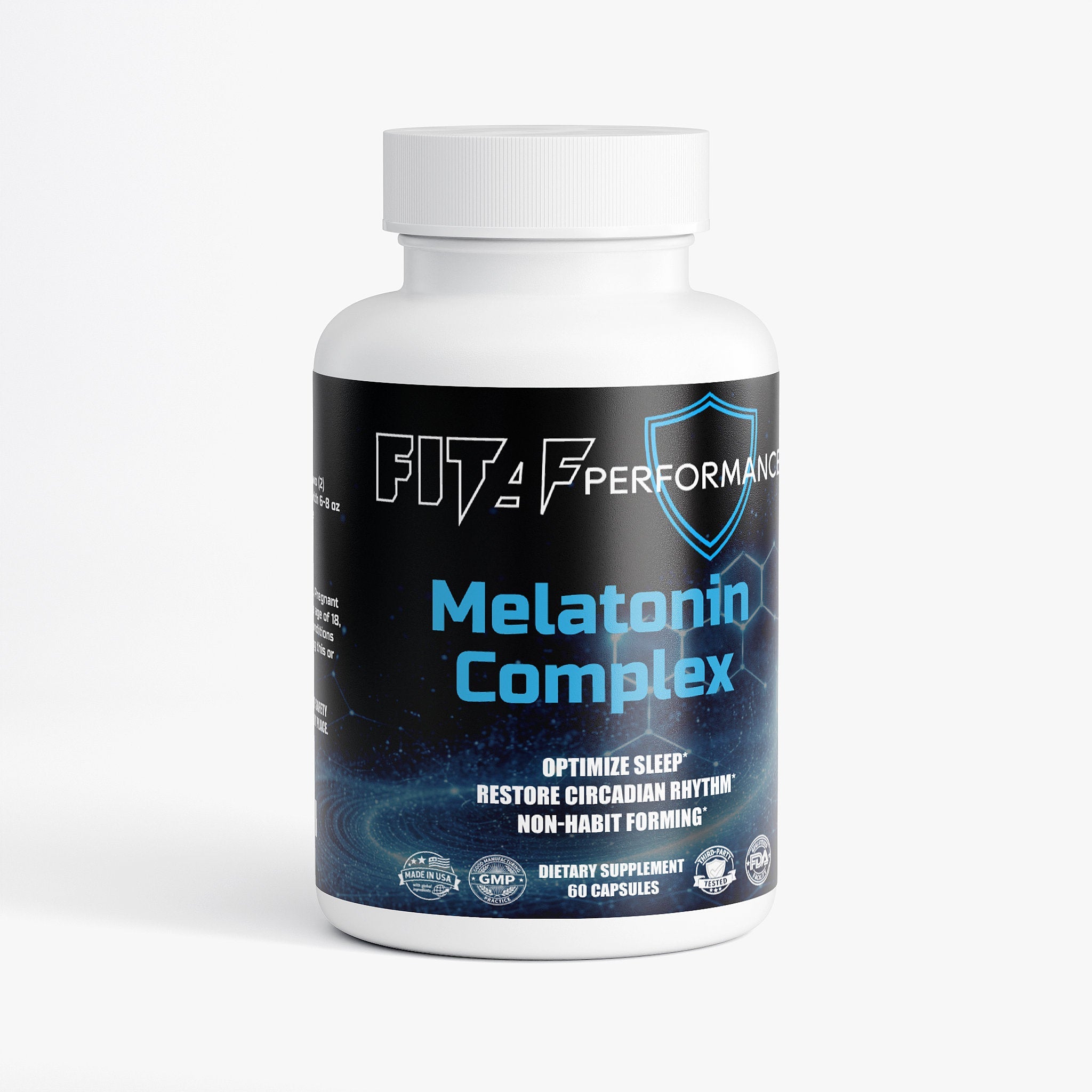
Melatonin is one of the most widely used sleep supplements in the world - and one of the most misunderstood. Most people take far too much, at the wrong time, expecting effects it doesn't have. Understanding how melatonin actually works completely changes how you should use it.
What Melatonin Does (and Doesn't Do)
Melatonin is not a sedative. It does not cause drowsiness directly. It is a circadian signal - it tells your brain "it's night." The suprachiasmatic nucleus (SCN), the brain's master clock, receives melatonin signalling from the pineal gland to regulate the sleep-wake cycle. Supplemental melatonin works best when the issue is circadian timing (jet lag, shift work, delayed sleep phase), not sleep onset per se.
The Dosing Problem
Most commercial melatonin products contain 5 - 10mg per tablet. Research consistently shows this is dramatically higher than necessary. A landmark 2001 study in Sleep Medicine Reviews found that doses as low as 0.1 - 0.3mg are as effective as 3 - 10mg for shifting circadian phase, with higher doses actually causing drowsiness the following morning and potentially desensitising melatonin receptors over time.
Effective dose: 0.5 - 1mg taken 1 - 2 hours before desired sleep time for circadian applications. For general sleep support, 0.5 - 3mg works for most people.
Timing Matters
The timing of melatonin supplementation is as important as dose. For advancing the sleep phase (going to bed earlier), take 2 - 6 hours before your usual sleep time. For delaying (jet lag westward travel), take in the morning. For general sleep support, 30 - 60 minutes before bed.
Recovery Applications for Athletes
Sleep quality directly determines athletic recovery. Growth hormone is primarily secreted during slow-wave sleep. Protein synthesis, glycogen resynthesis, and tissue repair all peak during deep sleep stages. Even a single night of poor sleep significantly impairs next-day strength and power output. Melatonin's value for athletes lies in protecting circadian integrity during high-training periods and travel.
Pairing with Magnesium Glycinate
The most evidence-backed sleep stack is low-dose melatonin (0.5 - 1mg) combined with magnesium glycinate (200 - 400mg), taken 30 - 60 minutes before bed. Magnesium addresses the GABAergic and cortisol mechanisms; melatonin addresses the circadian signal. Together they cover the two primary mechanisms of sleep disruption.