
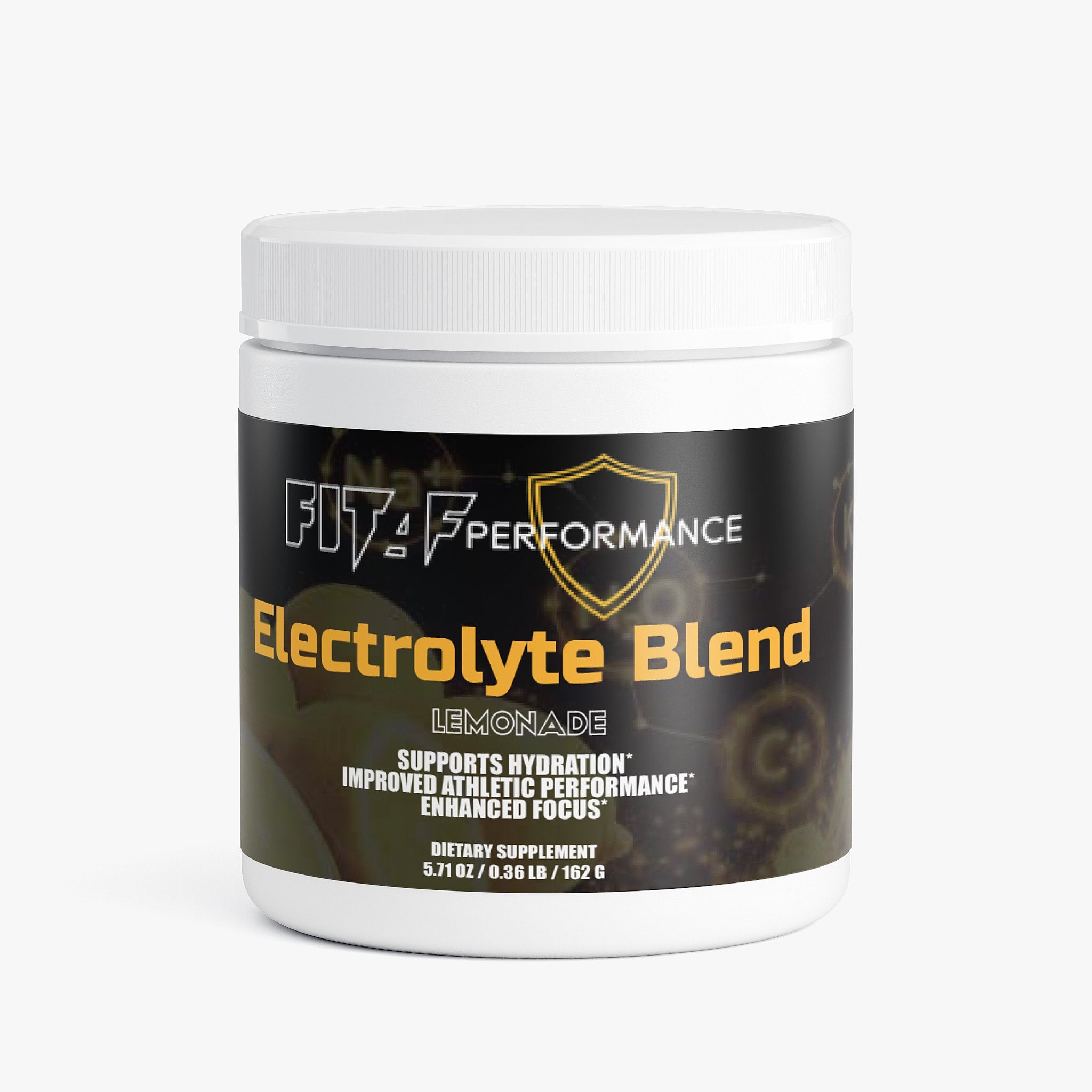
Electrolytes - sodium, potassium, magnesium, calcium, and chloride - are minerals that carry electrical charges and regulate virtually every physiological process involved in performance: muscle contraction, nerve impulse transmission, fluid balance, and energy metabolism. For athletes training hard or in hot conditions, electrolyte management is not optional.
What You Lose in Sweat
Sweat is not just water. A litre of sweat contains approximately 900 - 1400mg sodium, 200 - 600mg potassium, 10 - 50mg magnesium, and varying amounts of calcium and chloride. Athletes training for 60+ minutes lose 0.5 - 2.5 litres of sweat per hour depending on intensity and conditions. That's a significant electrolyte deficit - which plain water consumption does not address.
Sodium: The Critical One
Sodium is the primary electrolyte lost in sweat and the one most directly linked to performance. Sodium deficiency causes hyponatremia (low blood sodium), which in severe cases causes nausea, cramping, and in rare extreme cases, fatal brain swelling. For practical athletic purposes, sodium depletion contributes to muscle cramps, fatigue, and impaired thermoregulation long before severe symptoms appear.
Potassium and Muscle Function
Potassium works opposite to sodium in the cell - sodium is pumped out, potassium is pumped in during the muscle action potential. Depleted potassium levels impair this electrical cycle and directly contribute to muscle weakness and fatigue. High-potassium foods (bananas, potatoes, leafy greens) are the primary dietary source, but electrolyte supplements during exercise provide faster replenishment.
Magnesium and Cramping
While the muscle cramp-magnesium connection is more complex than often stated (cramping is multifactorial), magnesium plays a real role in neuromuscular function. Deficiency causes increased neuromuscular excitability - a direct contributor to cramps. Athletes with high sweat rates are at heightened risk for magnesium depletion.
Hydration Strategy
Pre-training: ensure baseline hydration (urine pale yellow). During training >60 min: 400 - 800mg sodium per hour via electrolyte drink or capsules, with adequate water. Post-training: replace sodium, potassium, and magnesium along with fluids in roughly 1.5x the volume lost. Avoid plain water alone for rehydration after intense exercise - it dilutes blood sodium and impairs the rehydration signal.