
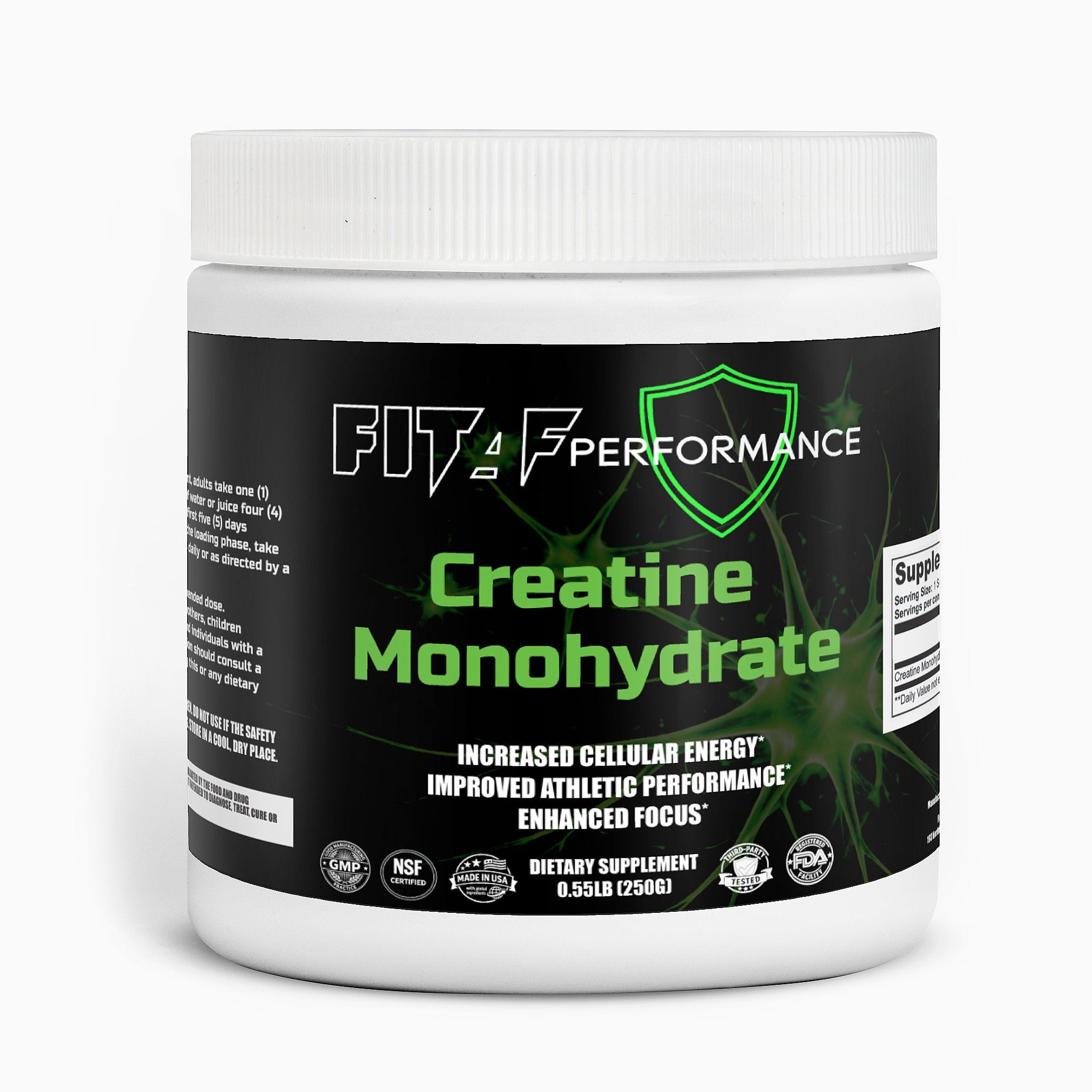
Creatine supplementation produces its benefits by saturating muscle phosphocreatine stores. The debate about whether to use a loading protocol or a straight maintenance dose is one of the most common questions in sports nutrition. This guide resolves it with a clear look at the evidence.
The Loading Protocol
Standard loading protocol: 20g/day split into 4 × 5g doses for 5 - 7 days, followed by 3 - 5g/day maintenance. Mechanism: Saturates muscle creatine stores approximately 6 - 7x faster than maintenance dosing alone. Research: Confirmed effective. A 1996 study by Greenhaff et al. showed full muscle saturation achieved within 5 - 7 days of loading. Practical considerations: Rapid water retention (1 - 2kg in the first week) due to intracellular water uptake alongside creatine. Some individuals experience GI discomfort with 20g/day - split into 4 - 5 doses minimises this. Water retention often misperceived as fat gain.
The Maintenance Protocol (No Loading)
Standard maintenance protocol: 3 - 5g/day continuously from day one. Mechanism: Gradually saturates muscle creatine stores over 28 days. Research: Achieves identical final muscle creatine saturation as loading - simply more slowly. A 2003 study confirmed equivalent final creatine stores whether using loading or maintenance protocols. Practical considerations: No rapid water weight change. No GI concerns. Cheaper per week during saturation phase. Simply requires patience.
Which to Choose?
Choose loading if: You have an important competition or training block starting soon and want fast saturation. You're new to creatine and want rapid performance feedback. Choose maintenance if: You're sensitive to rapid water retention changes. You have a history of GI sensitivity. You're starting creatine with no immediate performance deadline. You prefer simplicity.
Cycling: Necessary?
There is no evidence that cycling off creatine is necessary or beneficial. Muscle creatine levels return to baseline within 4 - 6 weeks of stopping, and the notion that "receptors downregulate" is not supported by research. Long-term continuous use for 5+ years has shown no adverse effects in clinical studies.