
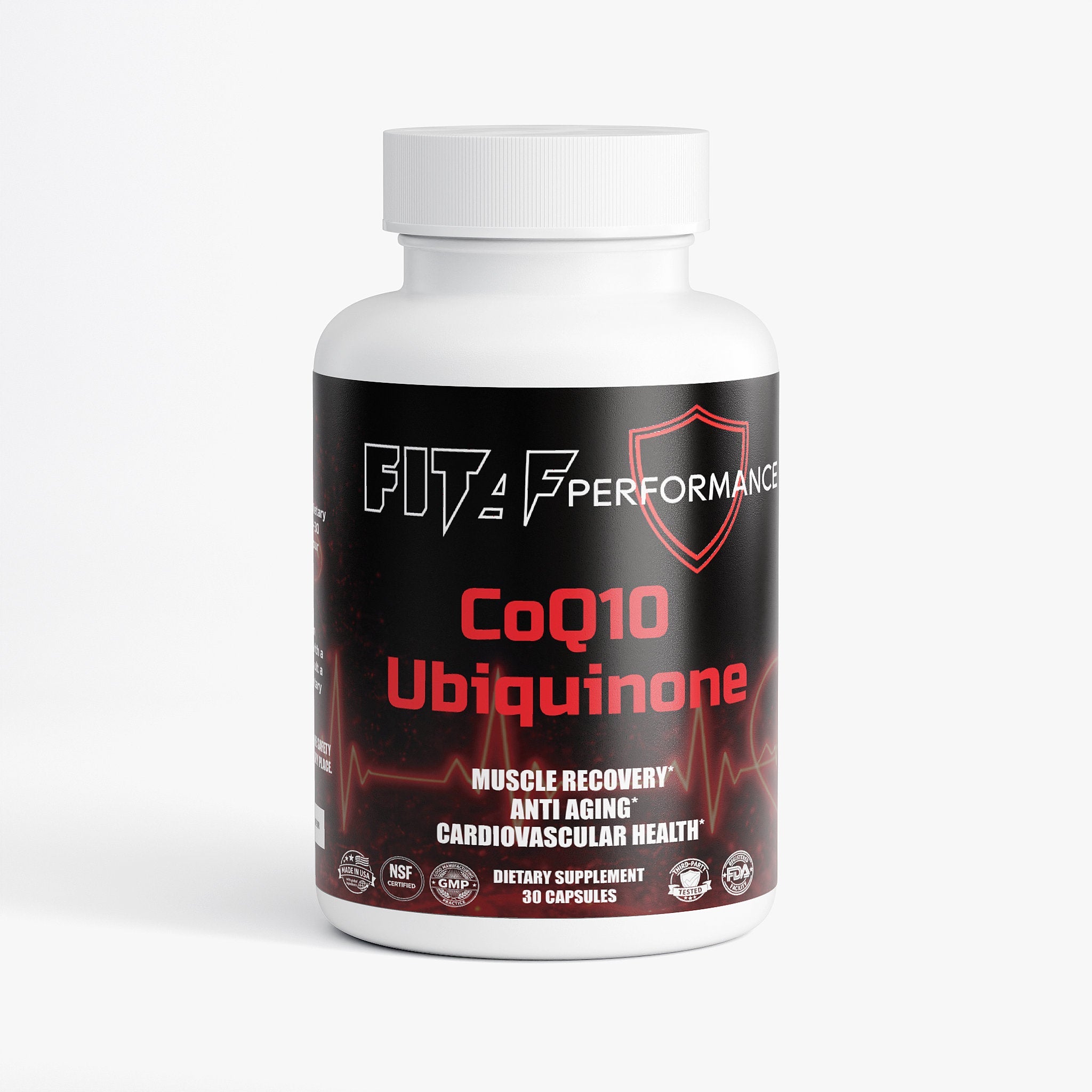
Coenzyme Q10 (CoQ10) is a fat-soluble compound found in every cell in the body. It plays two essential roles: as a critical component of the mitochondrial electron transport chain (energy production), and as one of the most potent endogenous antioxidants. Understanding the two main supplemental forms - ubiquinone and ubiquinol - helps you make the right choice.
Ubiquinone: The Oxidised Form
Ubiquinone is the traditional, oxidised form of CoQ10. It's been used in research for decades and has the largest evidence base. When consumed, ubiquinone must be converted to ubiquinol in the body to be active. For most people under 40 with healthy liver function, this conversion is efficient.
Ubiquinol: The Reduced (Active) Form
Ubiquinol is the reduced, active form that already circulates in the blood. It has higher bioavailability in some studies - a 2009 study in the Journal of Clinical Biochemistry and Nutrition found ubiquinol produced significantly higher plasma CoQ10 concentrations per dose compared to ubiquinone. This advantage is most pronounced in: people over 50, those on statin medications, individuals with heart failure, and people with genetic variants affecting CoQ10 conversion.
Statins and CoQ10
Statins (cholesterol-lowering drugs) inhibit the same enzyme pathway (HMG-CoA reductase) that produces both cholesterol and CoQ10. This means statin use reduces endogenous CoQ10 production. The resulting muscle pain and weakness (myopathy) - a common statin side effect - may be partially explained by CoQ10 depletion. Multiple clinical trials support CoQ10 supplementation for statin-associated myopathy.
Cardiovascular Evidence
The Q-SYMBIO trial (2014, JACC: Heart Failure) found that 300mg/day CoQ10 reduced cardiovascular events by 43% and cardiovascular mortality by 42% in patients with moderate-to-severe heart failure. This remains one of the most compelling nutraceutical trials in cardiovascular medicine.
Who Should Take Which Form
Under 40, generally healthy: ubiquinone is cost-effective and well-absorbed. Over 50, on statins, or with cardiovascular concerns: ubiquinol offers superior bioavailability. Either form: 100 - 300mg daily with a fat-containing meal.