
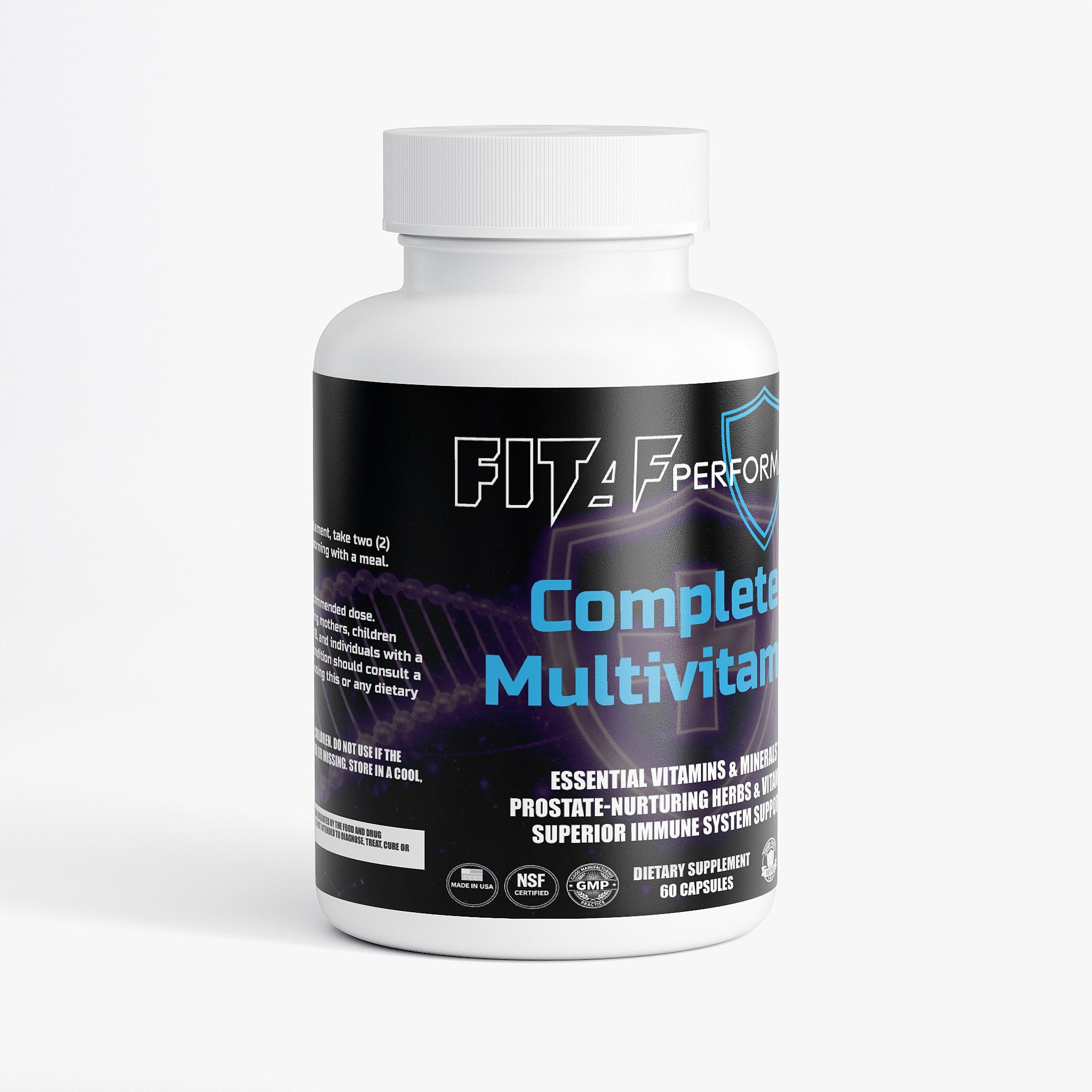
The multivitamin is the world's best-selling supplement. Approximately 35% of adults in developed countries take one daily. The scientific evidence for multivitamins is complex - not strongly supportive for disease prevention in well-nourished populations, but genuinely valuable for filling specific nutritional gaps that are extremely common even in people who eat well.
What the Research Shows
Large randomised trials like the Physicians' Health Study II found no significant reduction in cardiovascular disease or cancer mortality with long-term multivitamin use in well-nourished male physicians. However, these trials test disease prevention - not correction of subclinical deficiencies that affect energy, immunity, and performance without causing overt disease.
Gaps That Are Genuinely Common
Even with a healthy diet, these deficiencies are prevalent: Vitamin D (estimated 40% of adults globally are deficient - most multivitamins contain 400 - 2000 IU, while optimal levels require 1000 - 4000 IU daily); Magnesium (as discussed, dietary intake falls short for many); Zinc (depleted by stress and intense exercise); Iodine (declining in populations moving away from iodised salt); Vitamin K2 (found primarily in fermented foods - largely absent from most Western diets).
Who Benefits Most from a Multivitamin
The strongest cases: restricted diets (vegan/vegetarian), athletes with high training loads (increased micronutrient demands), older adults (reduced absorption of B12, D, and calcium), people with GI conditions affecting absorption (Crohn's, coeliac), pregnant or trying-to-conceive women (folate, iron, iodine), and anyone eating a highly processed diet.
What to Look For
Quality markers: methylated B vitamins (methylfolate, methylcobalamin - better absorbed than folic acid and cyanocobalamin), chelated minerals (bisglycinate forms), meaningful vitamin D3 doses (1000+ IU), vitamin K2 (MK-7 form), and no artificial dyes or unnecessary fillers. Avoid one-a-day formulas with minimal doses crammed into a single capsule - absorption requires split dosing.
The Bottom Line
A multivitamin is insurance, not a replacement for diet. For most people eating varied whole foods, a high-quality multi fills genuine gaps without harm. For those with dietary restrictions, high training loads, or specific life stages, it's actively beneficial.